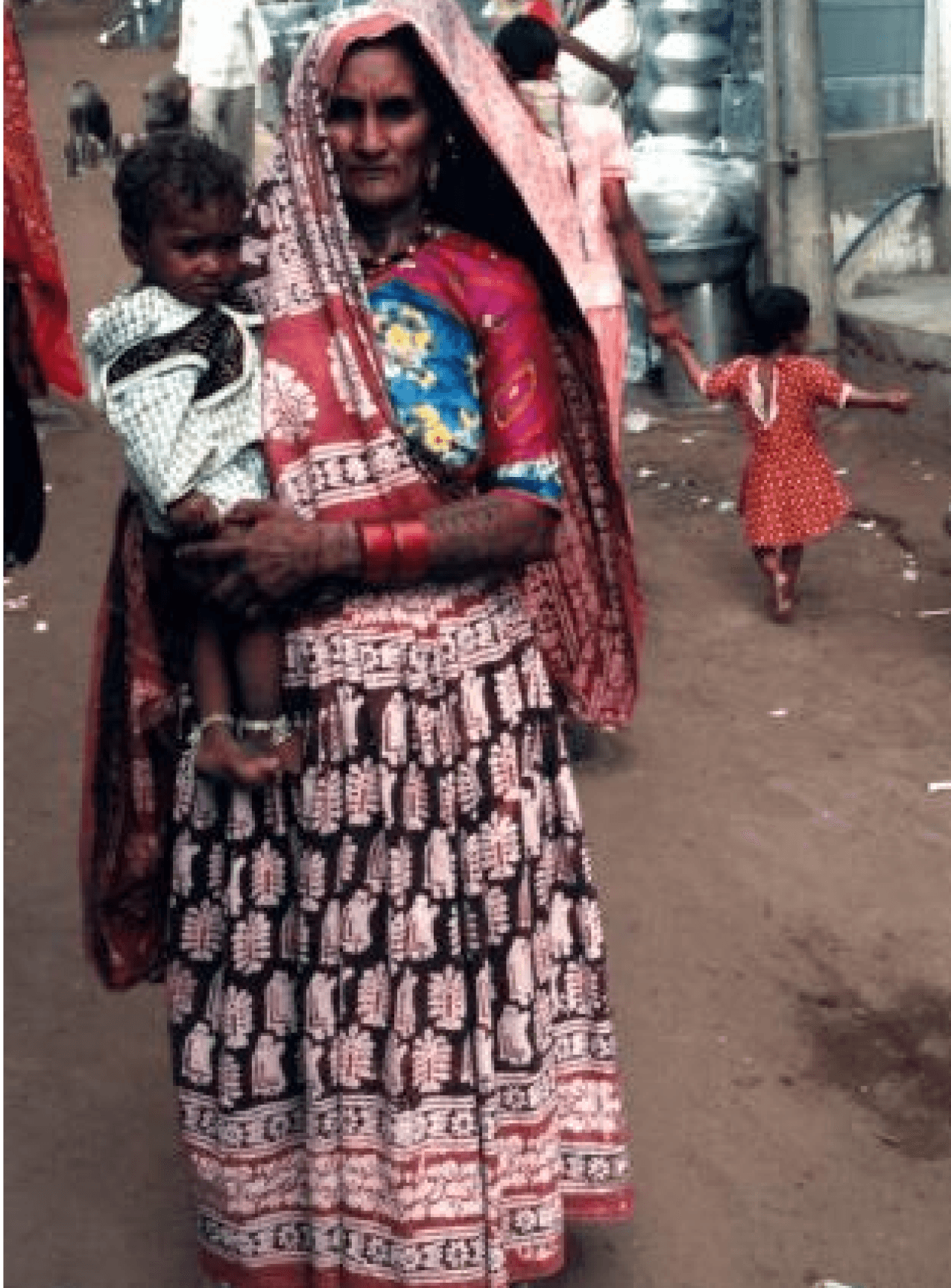
Traditional Batik Sadla (Saree) for Patel Community
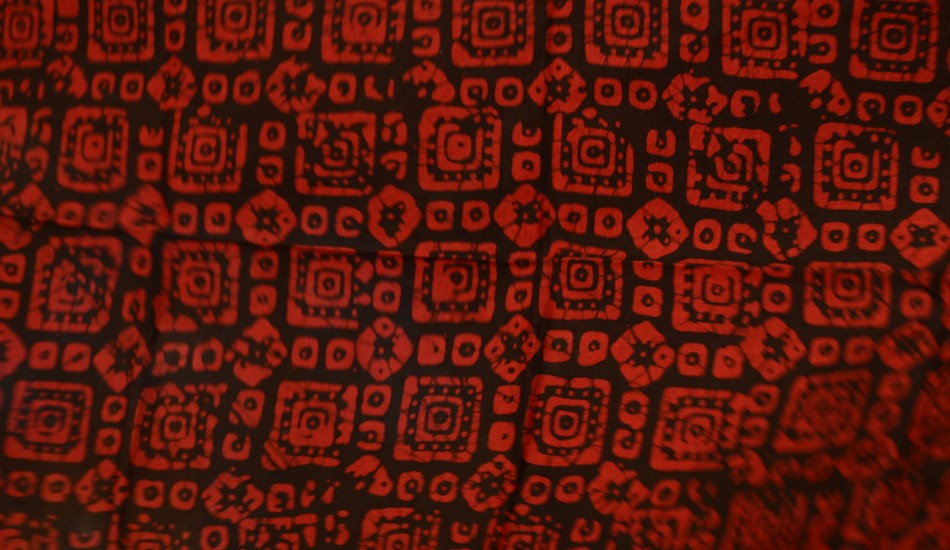
Traditional design for Khatri Community
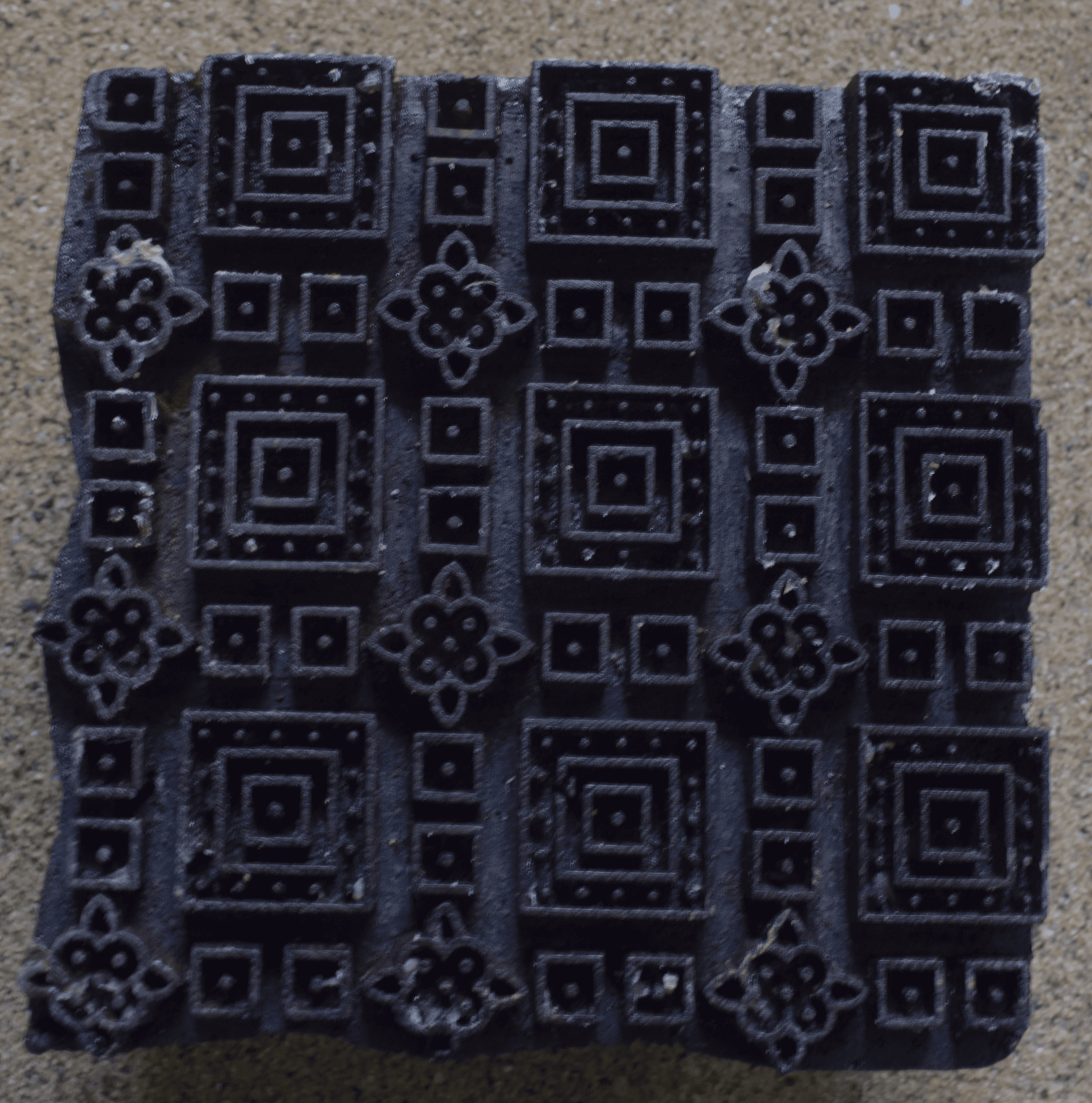
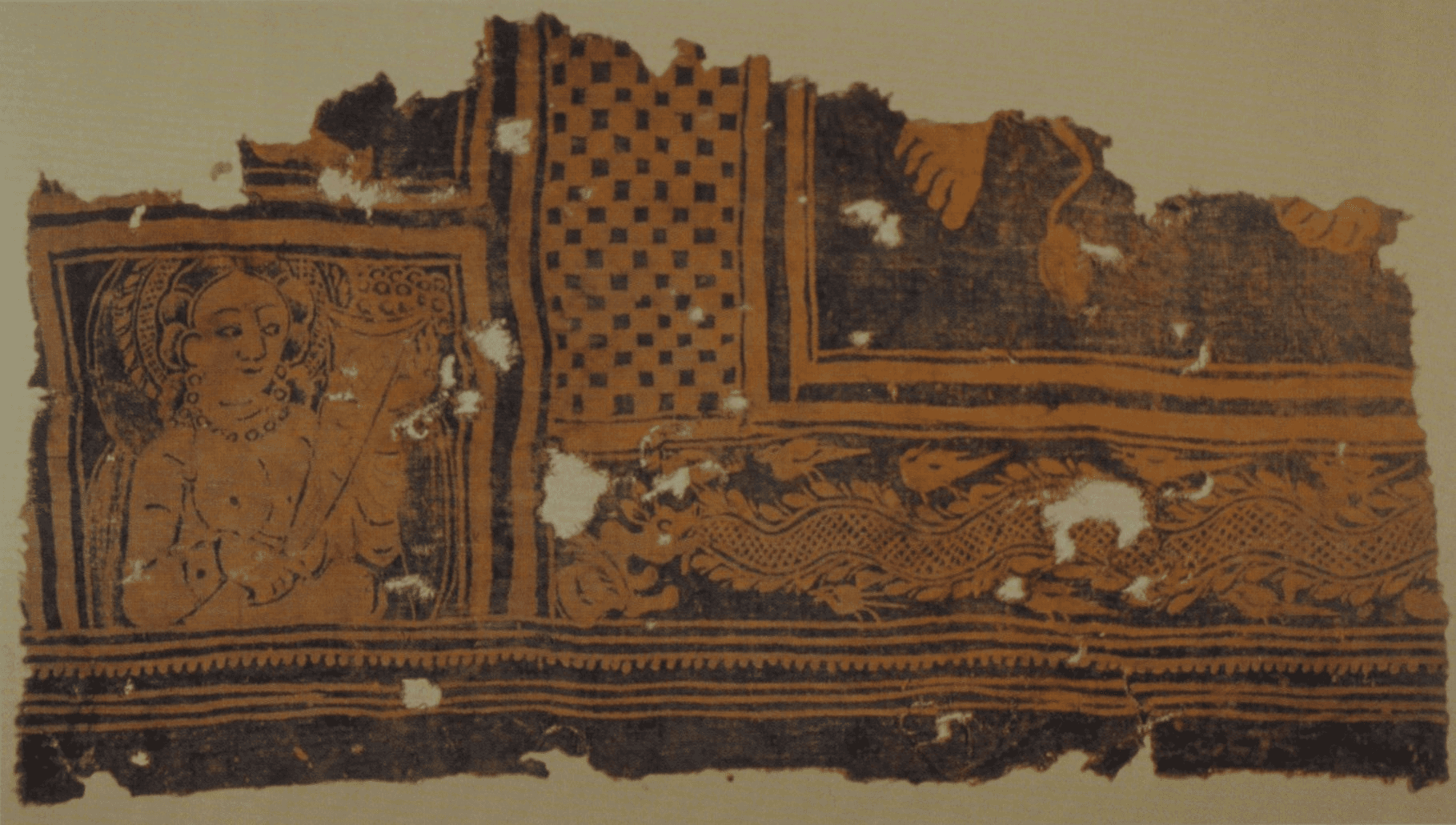
The fabric shown displays square and dot based motifs arranged in a structured grid, which is a distinctive layout commonly found in Batik. The subtle crackle effect visible across the design is a hallmark of the wax-resist dyeing technique, where the wax allow thin lines of dye to seep through, creating a textured visual pattern. Such motifs are often adapted into various garments, including dupattas or odhnis that are draped over bridal or festive lehengas for Khatri Community
Batik printing is more than just a craft it is a celebration of creativity, tradition, and innovation. Rooted in history, this textile art has evolved from its early use in tribal attire to a globally admired form of expression. Originally, artisans handcrafted Batik textiles for everyday wear, with women adorning themselves in intricately printed Odhna and men tying vibrant Mediya Rumaal as turbans. The Khatri women, skilled in their artistry, even stitched their own Batik Salwars, each motif reflecting a cultural identity.
Over time, Batik has embraced contemporary designs, ensuring its relevance across generations. Today, its striking patterns grace a variety of garments, from elegant sarees and kurtas to modern scarves and western wear. Beyond fashion, Batik has found its place in home decor, transforming bedspreads, curtains, and table linens into works of art. The vivid colors and mesmerising designs, crafted through the delicate interplay of wax and dye, continue to captivate, making Batik a true testament to the beauty of handcrafted textiles.
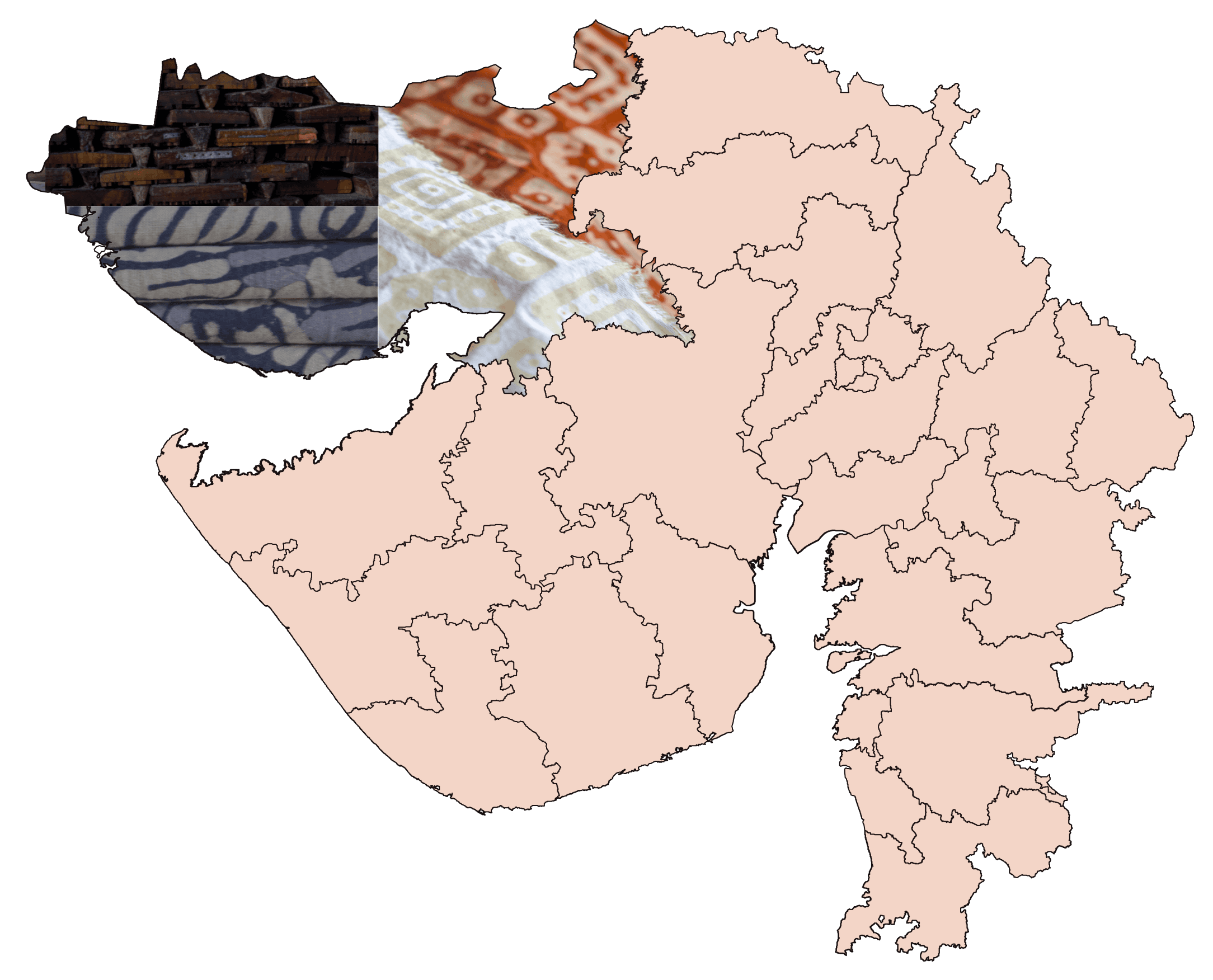
Mundra
Bhujpur
Historically, the Khatri community known for their deep artistic knowledge and their commitment to keeping Batik alive through their intense craftsmanship.Over time, other communities in Gujarat, and eventually other regions of India, began practicing the techniques to create batik. However, it is believed that this craft was begun by the Khatris of Gujarat and even today, the art of Batik printing is being passed down from one generation to the next.
Over time, the technique of Batik dispersed to other regions and cultures of India. It was Rabindranath Tagore who traveled to Java in Indonesia and was fascinated with the exquisite art of batik. He then brought back several pieces of fabric with the hope to revive the traditional technique in India.
The wax used in Batik printing has evolved from traditional pillo wax to beeswax, and now commonly to paraffin wax. Pillo wax, made from natural resins or fats, was strong but inconsistent. Beeswax offered better flexibility and clean resist lines but was expensive. Today, artisans often use paraffin wax for its sharp crackle effect and affordability, or a blend of beeswax and paraffin to balance quality and cost preserving tradition while adapting to modern needs.
For years, Common natural dyes included indigo (for blue), madder root (for red), pomegranate rind (for yellow or beige), and iron rust water (for black) But now it is not used much also people have enjoyed the floral and figural motifs of Batik textiles by Khatris.
History of Batik of Kutch

Get Updated news your Inbox
Your Email
Subscribe
copyright 2025 Batik of Kutch. All Rights Reserved
Privacy Policy
Terms & Condition
History
History